網頁

顯示具有 【貓貓一般疾病類】 標籤的文章。 顯示所有文章

2012年11月10日 星期六

【疾病篇】猫猫生病的十大表现(简体)

【貓貓知識匯總】 >> 【貓之疾病篇】 >> 【貓貓一般疾病類】


1. Inappropriate Elimination Behavior 
不正常的上厕所行为
主人应该知道且关心自己的猫平时上厕所的习惯,不应该把在砂盆以外便便或尿尿当成是在"报复"或"生气"主人的行为,因为这有可能是下泌尿道问题、肾脏疾病、泌尿系统感染、糖尿病或甚至是骨关节炎的表现。下泌尿道问题是可以治疗的,但是必须治疗及时。


2. Changes in Interaction
与人的互动方式改变
猫咪是家庭的一份子,也享受与人和其他动物的互动,平时互动的方式改变可能表示生病、害怕或是焦虑,也可能因为疼痛导致突然变凶,比如说当主人在发炎的关节上梳毛或对有问题的牙齿刷牙时,感到疼痛、害怕或是焦虑,这反应可能是需要主人细心观察才知道。


3. Changes in Activity 
活动能力改变
要记住猫咪并不会只因为"变老" 就行动缓慢,"变老"这件事不是一种疾病!实际上造成活动力大增,很有可以是甲状腺亢进(Hyperthyroidism) 。
行动的缓慢,有时是骨关节的问题或是全身性疾病的表现。


4. Changes in Sleeping Habits 
睡觉习惯改变
以一般成猫来说,平均一天会花16到18个小时来睡觉,不过,大部份的这些睡觉都是瞇一下,也就是所谓的"catnapping"。牠应该会对于一些刺激有迅速反应或响应,例如你开门回家或是准备食物的时候,牠都应该会有所反应。所以,知道牠平时睡眠的习惯很重要,同时观察牠们躺下休息或起身活动,这些也都相当重要。


5. Changes in Food and Water Consumption 
饮水饮食的份量改变
绝大部份的猫都不是挑剔的饕客(finicky eater),除了知道牠们吃的量以外,观察牠怎么去吃去咀嚼也很重要。食量下降可能是牙齿问题,也可能是严重癌症的表现。食量增加可以是糖尿病、甲状腺机能亢进或其他毛病。
而饮水量增加有可能是甲状腺问题、肾脏病或是糖尿病等等。


6. Unexplained Weight Loss or Gain 
无预警的变瘦或变胖
每天穿着毛皮大衣的牠们,体重的改变通常不会立即被发现,所以每天都要摸摸抱抱牠们,感觉一下体态和肌肉的量。
体重的改变,跟食欲食量不一定会成正比 (不是你吃多就会变胖)
就像甲状腺机能亢进的问题 猫咪会爆吃,但是会持续消瘦。


7. Changes in Grooming 
理毛的行为有改变
猫咪是极为严格的美容师,理毛减少通常表示害怕、焦虑、肥胖或其他身体的不舒服。
注意毛发的状态 (例如:秃毛或油亮感)
也要留意是否理毛有困难 (例如:口腔不舒服)


8. Signs of Stress 
有紧迫的现象
有研究证实环境中的紧迫与猫咪的疾病有相关,(最具代表的是猫下泌尿道症候群FLUTD),别看牠们好像生活轻松惬意,但很可能正处于有压力的状况下,无聊或是生活型态改变都是可能导致压力的原因。
处于紧迫的猫咪会花较少的时间理毛与互动,而花较多的时间巡视环境或是躲起来,甚至沉郁,当然吃东西的习惯也可能改变。


9. Changes in Vocalization 
叫声改变
叫声的改变,尤其是年纪较大的猫猫,可能是疼痛、焦虑或疾病的症状,有这种现象,务必要去给医生看看。


10. Bad Breath 
口臭
研究显示 70%的猫咪可能在3岁的时候就有牙龈的问题,务必每半年让医师检查你们家猫猫的口腔,以利预防问题产生或及早治疗
口腔的疾病被认为是沉默的疾病,如果没有控制好,可能会波及其他的器官,像是肾脏。口臭亦是口腔以外问题的表现,像是肾脏衰竭。


資料來源:http://www.healthycatsforlife.com/sickness1.html


2012年7月9日 星期一

【疾病篇】猫猫紧急就医的7个讯号(简体)

【貓貓知識匯總】 >> 【貓之疾病篇】 >> 【貓貓一般疾病類】


虽然有些紧急、临时的状况是可以家里就处理,但是当猫咪突然出现以下7种情况/讯息时,就要带着猫咪前往兽医院,让医生来替猫咪进行治疗或进一步了解状况!
没有任何反应 
当呼叫猫咪而得不到任何响应时,通常情况都较为严重和麻烦。当出现这种状况时,请抚摸或者碰触身体,并且检查是否还有呼吸。 会发生这种情况,有可能是气管阻塞、心跳停止或是中毒所导致的结果。

突然急遽呼吸
当猫咪突然出现快速呼吸,不是平常的状况,就必须要立即关切问题所在,找出解决方法或是就医! 当液体流进了肺里,或是胸腔出现空洞,都有可能会造成突然急遽呼吸,这些状况若是持续性或是没有就医,严重者甚至会导致心跳停止。

口水直流 
被电烫伤舌头和嘴巴,误食家庭毒物或植物,或是有些会反胃的疾病,都会导致口水直流。


不断呕吐
严重的电解质反常和失水可能发生连续性的呕吐。 肠子被异物阻塞(如:丝带、橡皮筋、绳子)也是常见会造成呕吐的原因。


大量腹泻 
如果没有立即解决,大量腹泻会严重失水和造成电解质失调,会导致身体急遽的恶化。


牙龈出现不正常的颜色
苍白的牙龈意味着有贫血现象;偏蓝色的牙龈则代表心脏或呼吸出现异状;黄色的牙龈意味着红血球遭到破坏或是严重的肝脏问题。出现这些症状都需要由医生进一步判断治疗。


发烧
猫咪出现发烧大多因为传染,发烧会使身体水份需求量增加,亦会造成食欲不振现象。 脱水和营养不良同时发生会造成身体恶化! 当猫咪体温超过39.5度(华氏103度)时,就应立即就医!


附录资料 :
猫咪正常体温::38 – 39度,幼猫的体温略高:38.5 - 39.5度
呼吸数:: 20 - 30次/分
心跳数: 100 - 120次/分;幼猫: 110 -130次/分

当家中宠物有出现异状,请仔细观察,如有发生以上现象,请不要乱使用成药,尽快到兽医进行病情判断和治疗!

原文网址:http://www.onlypet.com.tw/opsc/view_3_48.html

2012年6月21日 星期四

【疾病篇】Cats subtle signs of sickness

【貓貓知識匯總】 >> 【貓之疾病篇】 >> 【貓貓一般疾病類】

1. Inappropriate Elimination Behavior 
Client education about litter box care and normal elimination behavior is important for prevention and treatment of medical and behavioral problems. Clients should be aware that inappropriate urination and defecation often accompany an underlying medical condition and do not occur “to get back at the owner.”
A cat that is urinating inappropriately may have any number of conditions associated with the behavior, including lower urinary tract disease, kidney disease, urinary tract infection and diabetes mellitus. It can also be a sign of arthritis, which makes it difficult for the cat to get into the litter box.
Blockage of the urinary tract signals a veterinary emergency. A blockage is treatable, but timing is critical. Once identified, the cat must receive veterinary care as soon as possible. Otherwise, fatal complications could develop. Signs include straining in the litter box with little or no results, crying when urinating and frequent attempts to urinate.

2. Changes in Interaction
Cats are social animals, they enjoy interaction with their human family and often with other pets. Changes in those may signal problems such as disease, fear or anxiety. They may also signal pain, which can cause aggression. For example, a cat may attack an individual who causes it pain, such as a person combing over a cat’s arthritic hips or brushing a diseased tooth.

3. Changes in Activity 
A decrease or increase in activity can be a sign of a medical of condition. As cats age, there is increased risk for arthritis. Discomfort from systemic illnesses can also lead to a decrease in activity. It's important to understand cats don't usually slow down just because they are old. More activity is often caused by hyperthyroidism. Changes in activity warrant a visit to your veterinarian.


4. Changes in Sleeping Habits 
The key to differentiating abnormal lethargy from normal napping is knowing your cat's sleeping patterns. The average adult cat may spend 16 to 18 hours per day sleeping. This is normal, but much of that sleeping is “catnapping.” The cat should respond quickly to usual stimuli, such as the owner walking into the room or cat food being prepared. If your cat is sleeping more than usual or has discomfort laying down and getting up, this may be a sign of underlying disease.


5. Changes in Food and Water Consumption 
Contrary to popular belief, most cats are not "finicky" eaters. Look for changes, such as a decrease or an increase in consumption and how the cat chews its food. Decreased food intake can be a sign of several disorders, ranging from poor dental health to cancer. Increased food consumption can be caused by diabetes mellitus, hyperthyroidism or other health problems.
Changes in water consumption may be more difficult to observe, especially in cats that spend time outdoors or drink from toilets and sinks. Increased water intake can be an early indicator of thyroid problems, kidney disease, diabetes or other conditions.
If food and water intake is questionable, clients can measure the food and water given, and then measure what remains after 24 hours to get a more accurate picture of actual consumption.

6. Unexplained Weight Loss or Gain 
A change in weight does not necessarily correlate with a change in appetite. Cats with hyperthyroidism or diabetes mellitus can lose weight despite good appetites. Many other diseases cause both appetite and weight loss. If your cat goes to the food dish and then backs away from it without eating, nausea may be the source.
Weight changes often go unnoticed because of a cat's thick coat. You can assess body condition by feeling gently along the ribs. The ribs should be easily felt but not prominent.
On the other hand, obesity has become a serious health concern in cats, with increased risk of diabetes mellitus, joint disease and other problems. Cat owners can purchase small pet scales to chart weight at home. Take the cat to the veterinarian if there are any unplanned changes in weight.

7. Changes in Grooming 
Typically, cats are fastidious groomers. Note whether your cat's coat is clean and free of mats. Patches of hair loss or a greasy or matted appearance can signal an underlying disease. Also watch to see if your cat has difficulty grooming. A decrease in grooming behavior can indicate fear, anxiety, obesity or other illnesses. An increase in grooming may be a sign of a skin problem.

8. Signs of Stress 
Yes, your cat can be stressed despite having an “easy” life. Boredom and sudden lifestyle changes are common causes of stress in cats. Stressed cats may spend less time grooming and interacting, or they may spend more time awake and scanning their environment, hide more, withdraw and exhibit signs of depression. They could also change their eating patterns. These same signs may indicate a medical condition. It is important to rule out medical problems first and then address the stress. Because the social organization of cats is different from that of people and dogs, changes in the family, such as adding a new pet, should be done gradually. Please contact your vet hospital for information on how to successfully make changes in your household.

9. Changes in Vocalization 
An increase in vocalization or howling is more common in older cats and is often seen with some underlying condition such as hyperthyroidism or high blood pressure. Many cats also vocalize more if they are in pain or anxious. If you note a change in vocalization, schedule an appointment with your veterinarian to rule out medical problems and to obtain suggestions for minimizing or eliminating the behavior.


10. Bad Breath 
Studies show 70 percent of cats have gum disease as early as age 3. It is important to have your cat's teeth checked every six months to help prevent dental disease or to start treatment of problems. One of the early indicators of an oral problem is bad breath. Regular home teeth brushing and veterinary dental care prevent bad breath, pain, tooth loss and spread of infection to other organs.


Source from: http://www.healthycatsforlife.com/sickness1.html


2012年6月19日 星期二

【疾病篇】Seven signs that get your cat to Veterinarian immediately

【貓貓知識匯總】 >> 【貓之疾病篇】 >> 【貓貓一般疾病類】

Although some emergencies can be managed at home, others require immediate veterinary attention.  The signs below, if present, usually indicate an emergency that requires immediate veterinary assessment.


Non-responsiveness 
A non-responsive kitten is usually in serious trouble. If you get no response or reaction when you call, stroke, or touch your kitten, immediately check its breathing. Airway obstruction, cardiac arrest, and poisonings are a few things that can cause non-responsiveness.


Labored breathing
Respiratory problems require immediate attention.  Fluid in the lungs or the chest cavity can obstruct breathing, and kittens can go into respiratory arrest, followed by cardiac arrest, if untreated.


Drooling profusely 
Electric cord burns to the mouth and tongue, contact with household poisons or plants, and nausea from other systemic illnesses can cause profuse drooling.


Incessant vomiting
Serious electrolyte abnormalities and dehydration may occur as a result of continuous vomiting.  Intestinal obstruction from a ribbon, rubber band, or string is a common cause of chronic vomiting in kittens and requires immediate attention.


Profuse diarrhea 
Severe dehydration and electrolyte imbalances can lead to rapid deterioration in kittens if not addressed promptly.


Abnormal coloration of the gums
Pale gums implies anemia; bluish gums suggest a cardiac or respiratory problem, and yellow gums denote red blood cell destruction or severe liver disease.  All of these conditions require immediate assessment by a veterinarian.


Fever
Fevers in kittens are often due to infectious conditions.  Fever increases a kitten’s fluid requirements, and often depresses their appetite.  Malnutrition and dehydration is a dangerous combination.  Kittens with fevers (temp greater than 103 F) should be examined promptly.


Original Website:
http://manhattancats.com/Articles/kitten_first_aid.html

2012年5月25日 星期五

【疾病篇】貓貓生病的十大表現

【貓貓知識匯總】 >> 【貓之疾病篇】 >> 【貓貓一般疾病類】


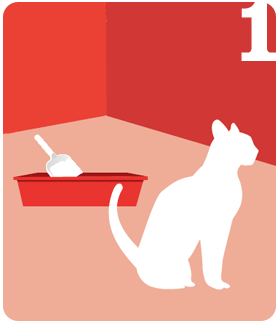
1. Inappropriate Elimination Behavior 
不正常的上廁所行為
主人應該知道且關心自己的貓平時上廁所的習慣,不應該把在砂盆以外便便或尿尿當成是在"報復"或"生氣"主人的行為,因為這有可能是下泌尿道問題、腎臟疾病、泌尿系統感染、糖尿病或甚至是骨關節炎的表現。下泌尿道問題是可以治療的,但是必須治療及時。


2. Changes in Interaction
與人的互動方式改變
貓咪是家庭的一份子,也享受與人和其他動物的互動,平時互動的方式改變可能表示生病、害怕或是焦慮,也可能因為疼痛導致突然變兇,比如說當主人在發炎的關節上梳毛或對有問題的牙齒刷牙時,感到疼痛、害怕或是焦慮,這反應可能是需要主人細心觀察才知道。


3. Changes in Activity 
活動能力改變
要記住貓咪並不會只因為"變老" 就行動緩慢,"變老"這件事不是一種疾病!實際上造成活動力大增,很有可以是甲狀腺亢進(Hyperthyroidism) 。
行動的緩慢,有時是骨關節的問題或是全身性疾病的表現。


4. Changes in Sleeping Habits 
睡覺習慣改變
以一般成貓來說,平均一天會花16到18個小時來睡覺,不過,大部份的這些睡覺都是瞇一下,也就是所謂的"catnapping"。牠應該會對於一些刺激有迅速反應或回應,例如你開門回家或是準備食物的時候,牠都應該會有所反應。所以,知道牠平時睡眠的習慣很重要,同時觀察牠們躺下休息或起身活動,這些也都相當重要。


5. Changes in Food and Water Consumption 
飲水飲食的份量改變
絕大部份的貓都不是挑剔的饕客(finicky eater),除了知道牠們吃的量以外,觀察牠怎麼去吃去咀嚼也很重要。食量下降可能是牙齒問題,也可能是嚴重癌症的表現。食量增加可以是糖尿病、甲狀腺機能亢進或其他毛病。
而飲水量增加有可能是甲狀腺問題、腎臟病或是糖尿病等等。


6. Unexplained Weight Loss or Gain 
無預警的變瘦或變胖
每天穿著毛皮大衣的牠們,體重的改變通常不會立即被發現,所以每天都要摸摸抱抱牠們,感覺一下體態和肌肉的量。
體重的改變,跟食慾食量不一定會成正比 (不是你吃多就會變胖)
就像甲狀腺機能亢進的問題 貓咪會爆吃,但是會持續消瘦。


7. Changes in Grooming 
理毛的行為有改變
貓咪是極為嚴格的美容師,理毛減少通常表示害怕、焦慮、肥胖或其他身體的不舒服。
注意毛髮的狀態 (例如:禿毛或油亮感)
也要留意是否理毛有困難 (例如:口腔不舒服)


8. Signs of Stress 
有緊迫的現象
有研究證實環境中的緊迫與貓咪的疾病有相關,(最具代表的是貓下泌尿道症候群FLUTD),別看牠們好像生活輕鬆愜意,但很可能正處於有壓力的狀況下,無聊或是生活型態改變都是可能導致壓力的原因。
處於緊迫的貓咪會花較少的時間理毛與互動,而花較多的時間巡視環境或是躲起來,甚至沉鬱,當然吃東西的習慣也可能改變。


9. Changes in Vocalization 
叫聲改變
叫聲的改變,尤其是年紀較大的貓貓,可能是疼痛、焦慮或疾病的症狀,有這種現象,務必要去給醫生看看。


10. Bad Breath 
口臭
研究顯示 70%的貓咪可能在3歲的時候就有牙齦的問題,務必每半年讓醫師檢查你們家貓貓的口腔,以利預防問題產生或及早治療
口腔的疾病被認為是沉默的疾病,如果沒有控制好,可能會波及其他的器官,像是腎臟。口臭亦是口腔以外問題的表現,像是腎臟衰竭。


資料來源:http://www.healthycatsforlife.com/sickness1.html


2012年5月18日 星期五

【疾病篇】貓貓緊急就醫的7個訊號

【貓貓知識匯總】 >> 【貓之疾病篇】 >> 【貓貓一般疾病類】

雖然有些緊急、臨時的狀況是可以家裡就處理,但是當貓咪突然出現以下7種情況/訊息時,就要帶著貓咪前往獸醫院,讓醫生來替貓咪進行治療或進一步了解狀況!
沒有任何反應 
當呼叫貓咪而得不到任何回應時,通常情況都較為嚴重和麻煩。當出現這種狀況時,請撫摸或者碰觸身體,並且檢查是否還有呼吸。 會發生這種情況,有可能是氣管阻塞、心跳停止或是中毒所導致的結果。

突然急遽呼吸
當貓咪突然出現快速呼吸,不是平常的狀況,就必須要立即關切問題所在,找出解決方法或是就醫! 當液體流進了肺裡,或是胸腔出現空洞,都有可能會造成突然急遽呼吸,這些狀況若是持續性或是沒有就醫,嚴重者甚至會導致心跳停止。

口水直流 
被電燙傷舌頭和嘴巴,誤食家庭毒物或植物,或是有些會反胃的疾病,都會導致口水直流。


不斷嘔吐 
嚴重的電解質反常和失水可能發生連續性的嘔吐。 腸子被異物阻塞(如:絲帶、橡皮筋、繩子)也是常見會造成嘔吐的原因。


大量腹瀉 
如果沒有立即解決,大量腹瀉會嚴重失水和造成電解質失調,會導致身體急遽的惡化。


牙齦出現不正常的顏色
蒼白的牙齦意味著有貧血現象;偏藍色的牙齦則代表心臟或呼吸出現異狀;黃色的牙齦意味著紅血球遭到破壞或是嚴重的肝臟問題。出現這些症狀都需要由醫生進一步判斷治療。


發燒
貓咪出現發燒大多因為傳染,發燒會使身體水份需求量增加,亦會造成食慾不振現象。 脫水和營養不良同時發生會造成身體惡化! 當貓咪體溫超過39.5度(華氏103度)時,就應立即就醫!


附錄資料 :
貓咪正常體溫::38 – 39度,幼貓的體溫略高:38.5 - 39.5度
呼吸數:: 20 - 30次/分
心跳數: 100 - 120次/分;幼貓: 110 -130次/分

當家中寵物有出現異狀,請仔細觀察,如有發生以上現象,請不要亂使用成藥,儘快到獸醫進行病情判斷和治療!

原文網址:http://www.onlypet.com.tw/opsc/view_3_48.html

Linkwithin

Related Posts Plugin for WordPress, Blogger...